
Noi siamo Nifo Sarrapochiello, vignaioli del Sannio
This is a story of agriculture, family, and land. Wine is our way of telling it.
We live in Campania, in the Sannio area, among the vineyards overlooking Mount Taburno. The history of this area has always been intertwined with grape growing, and so has that of our family.
Erasmo is the historical memory of Nifo Sarrapochiello. In 1963, at the tender age of twenty, he left for Canada in search of fortune, but he already had a clear plan in mind. Hard work, sacrifice, and a wealth of opportunities: Toronto was the springboard to realize his dream. After twenty years, Erasmo returned with his family to the place he had always called home, Sannio.
Bushel after bushel, acre after acre, the vineyards became hectares. His son, Lorenzo, returning to Italy at just eight years old, grew up working alongside his father in the fields; he then completed his studies and gained his first experience in the winery. 1998 was the year of the big leap: from grape sellers they became wine producers, from growers to true winemakers until they reached the bottle. The chosen path was that of virtuous agriculture, dedicated to safeguarding soil fertility and respecting the environment. An agriculture that is a real guardian of the land.
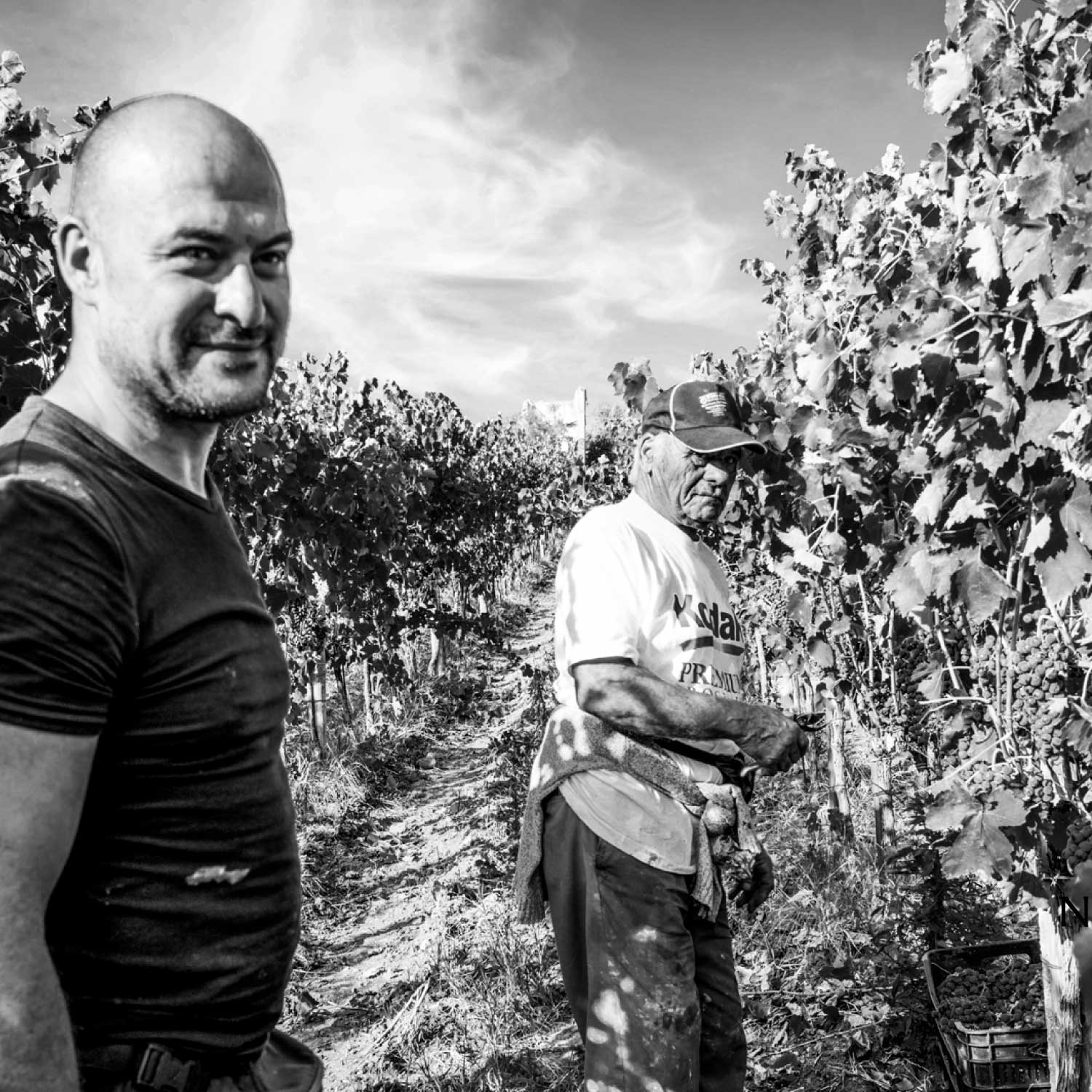
Today, Erasmo is 80 years old and still spends his mornings in the vineyards. Rosa, known to everyone as Ma’Rosa, is the lady of the house. Lorenzo is the winemaker and cellar master at Nifo Sarrapochiello. Alongside him are his partner Carmela, the historic, artistic, and creative soul of the company; his cousin Lorenzo, Nifo’s right-hand man and spokesperson on the market; and a team of four young men working between the vineyard and the cellar, who have now become part of our family.
Nifo Sarrapochiello is our last name, but we want to put our face on our wine.
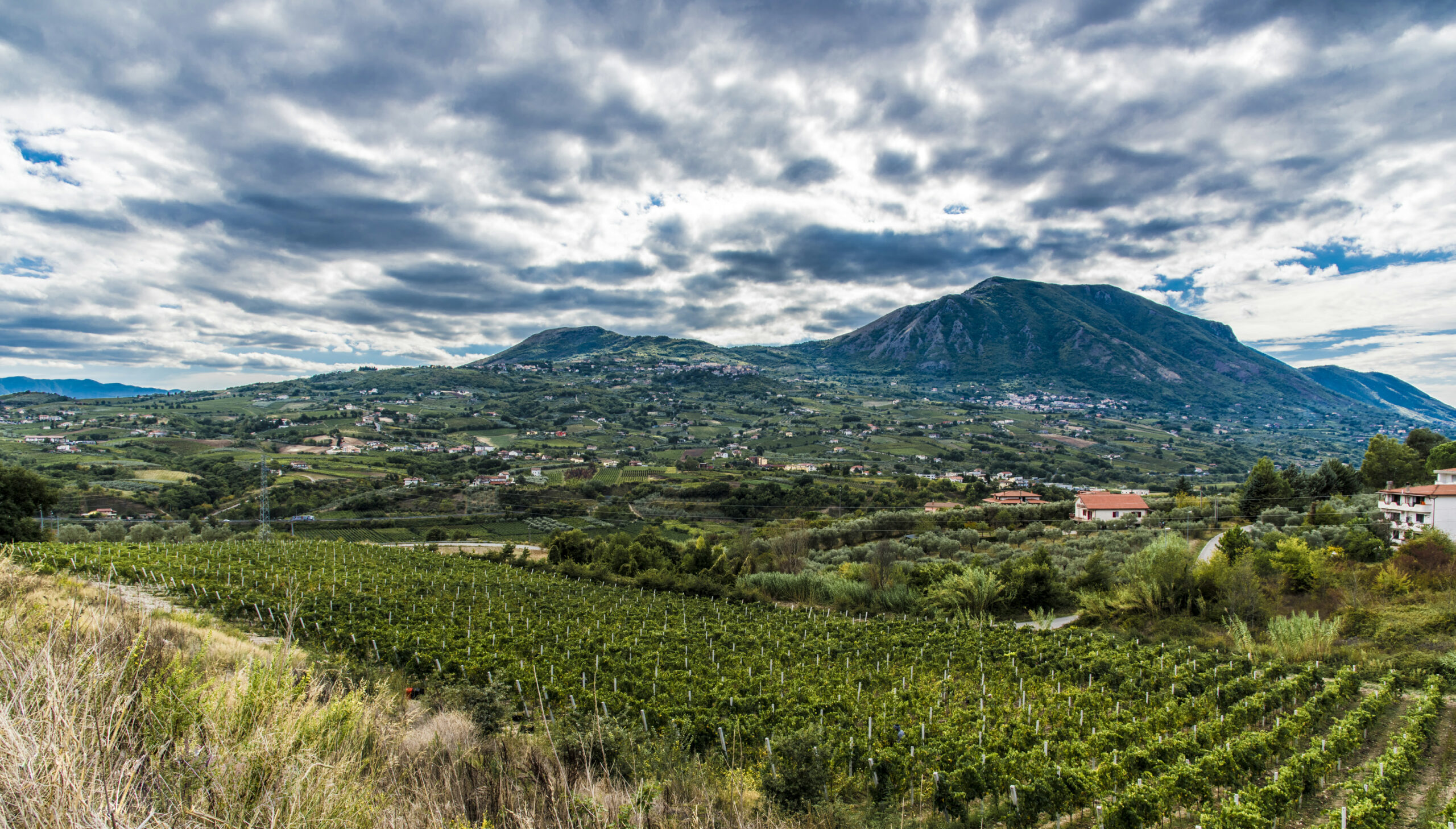
We are our land, our roots in the territory.
We are winemakers, landscape architects, and custodians of the land. We pour our portrait of Sannio and Taburno into your glass.
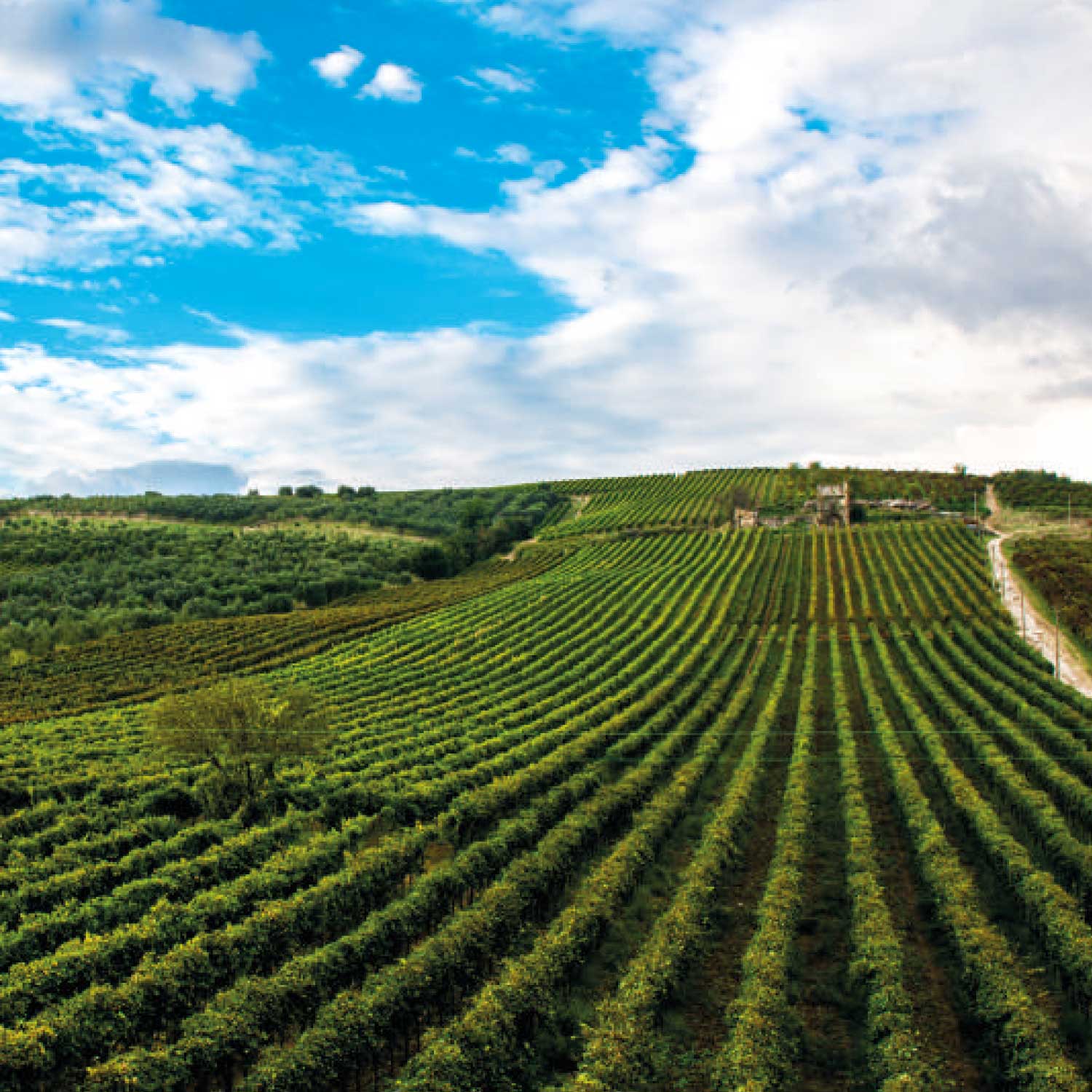
Between the Matese mountain range and Mount Taburno, the Calore River flows, cutting lengthwise through the Telesina Valley, defining the modern-day Sannio area. The combination of its diverse geological morphology, diverse climatic and environmental factors, and the agricultural traditions of the peoples who have inhabited this area over time make Sannio a region with a historic and profound vocation for winemaking.
We cultivate twenty-five hectares of vineyards facing Mount Taburno between the municipalities of Ponte, San Lorenzo Maggiore, and San Lupo. We have always chosen to invest in local varieties. The two main local varieties, Falanghina del Sannio and Aglianico del Taburno, are joined by other native grapes from Campania, such as Fiano and Greco, and from Sannio itself, such as Camaiola.
The diversity of our soils – from alluvial soils rich in skeleton to clayey-calcareous marls – and the different exposures and altitudes, offer us the possibility of giving voice to the maximum potential and natural propensity of each individual vineyard. We are winemakers, working closely with nature. From winter pruning to the first buds, right up to the manual harvest: much of our daily life takes place in the fields, creating a deep and intimate relationship with our vines. We believe that the identity of a wine is shaped by the synergy between man and nature.
We have adopted the principles of organic farming, certified since 1998, and in the fields we practice green manure and organic fertilization to safeguard the fertility of the soil and promote biodiversity in the vineyard. Nifo Sarrapochiello wines are born in the vineyard, because the absolute quality of the raw material is the first and essential ingredient. We believe that this is the only way we can bring the expression and our interpretation of a fruit, a vintage, and a terroir into a glass.
Before being Nifo Sarrapochiello, our wines want to be Sannio and Taburno.
We are our origins, the grapes that have crossed millennia of history.
From the depths of the earth where the roots of our vines sink, archaeological traces of the peoples who have inhabited and protected our territory emerge.
To discover the origins of Sannio, we must trace its history back over two millennia, to the 5th century BC, the period around which the Samnite lineage, the people who gave this territory its name, was born.
The archaeological finds, through which it has been possible to reconstruct evidence of the history and culture of the Samnites, come from the same lands on which our vineyards stand today. This is the case of the famous Samnite Fibula of Ponte, found in 1949 in the locality of San Barbato and today preserved in the Sannio Museum of Benevento. Just a few meters away from the place of discovery, lies one of our vineyards cultivated with Aglianico, which will soon give life to our new label “Vigna San Barbato”.
From this story was born the intuition to want to bring to light and pay homage to the history of the people who made Sannio great, through our wines. And so the idea of Archeolabel: an unpublished story of the origins of our territory on the label, a representation of the deep and intimate connection between agriculture, art, history and territory.
Thus, just as wine is the fruit of the underground roots of the vines, illustrations emerge from the earth on the label, which hark back to mythology, historical figures and the customs and traditions of the Samnite people.
A golden back label collects and tells the origin of the wine’s imaginary name, the historical location and the references of the places where the finds from which it was inspired are preserved.
In this way, through the wines of Nifo Sarrapochiello, we can reconstruct the stages of a true journey through the museums of ancient Samnium, discovering the history and culture, myths and gods, legends and heroes of the people who protected this land before us.
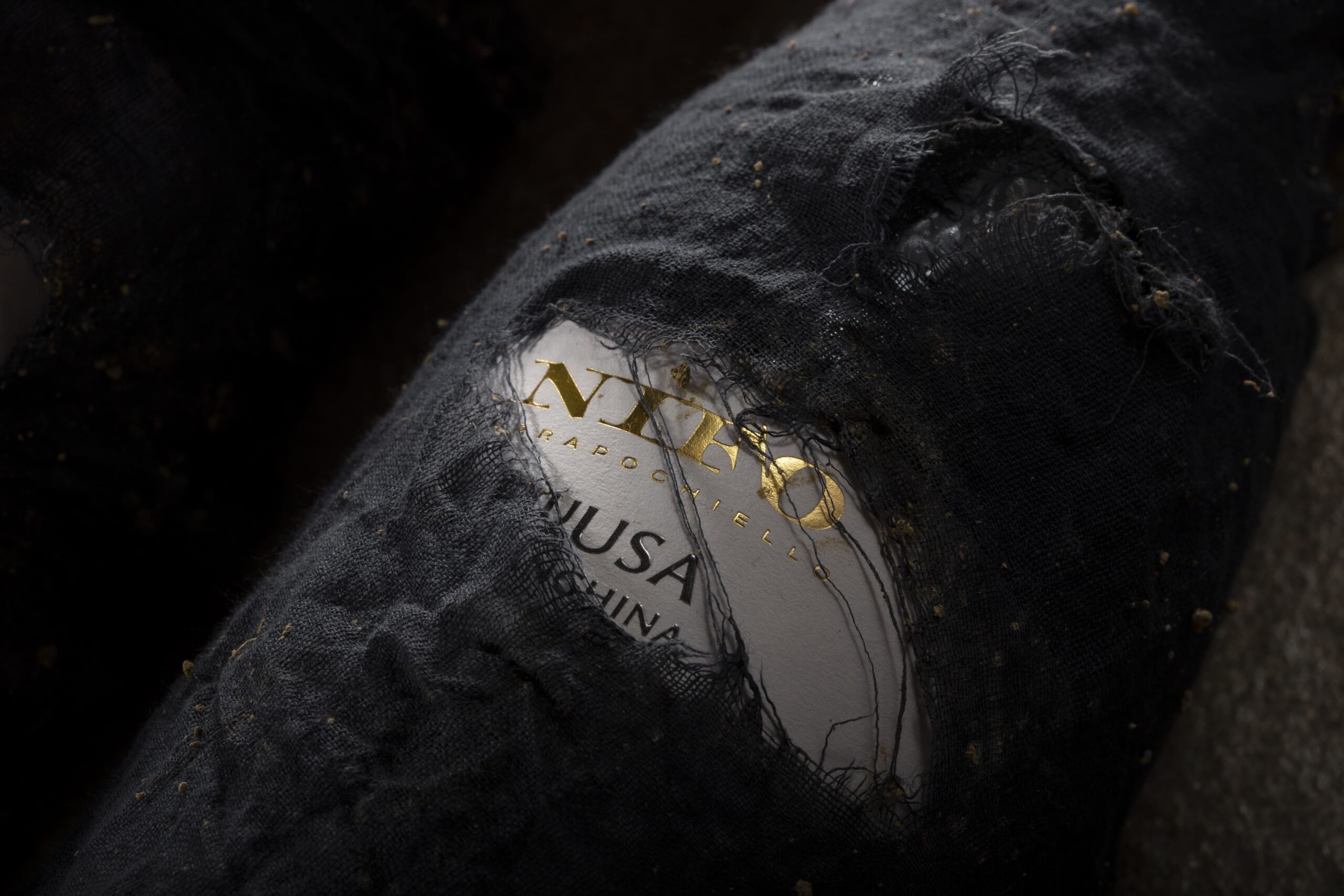
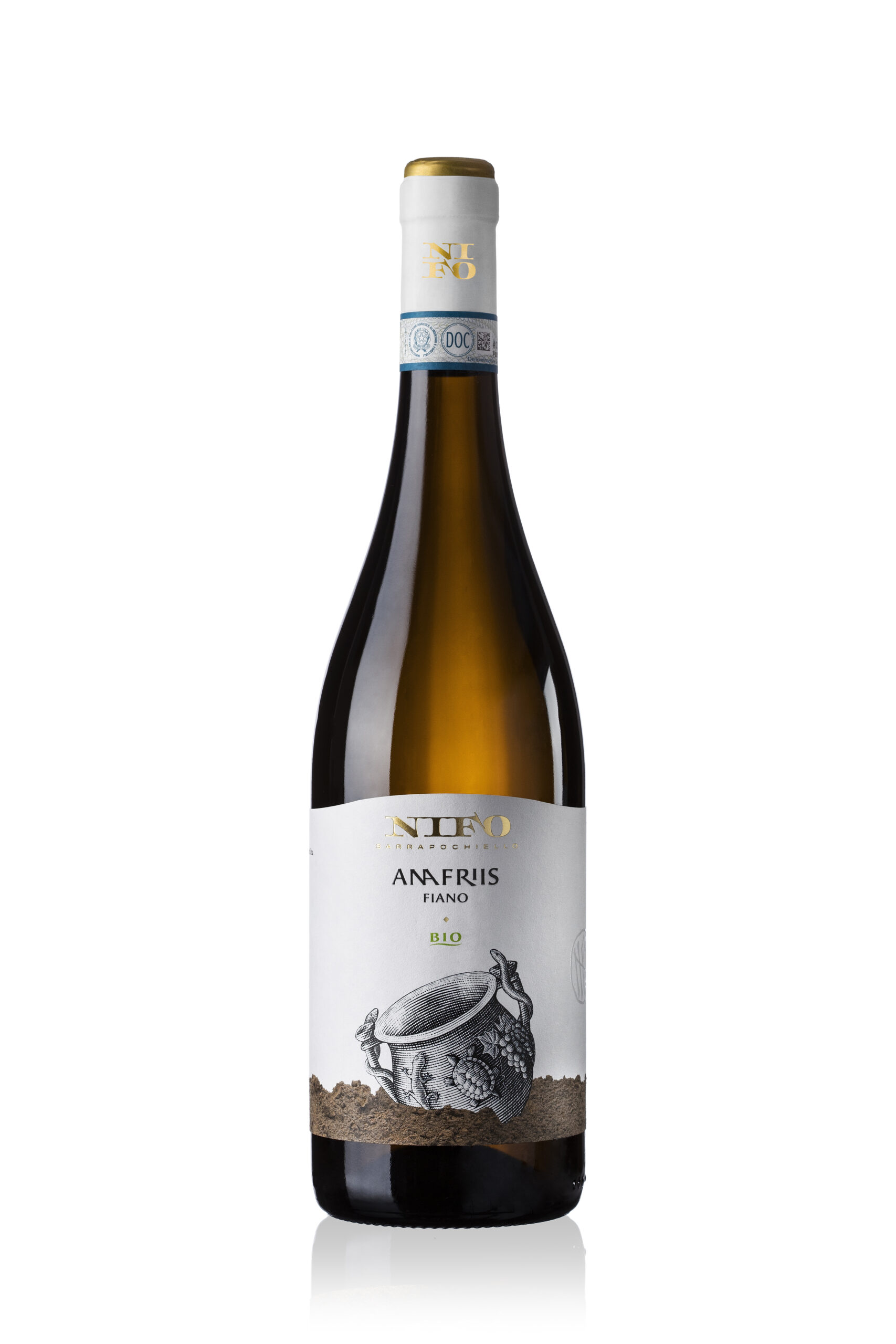
We work the land that preserves our origins. We dig into the past to plan the future.
Nifo: a true experience of Sannio
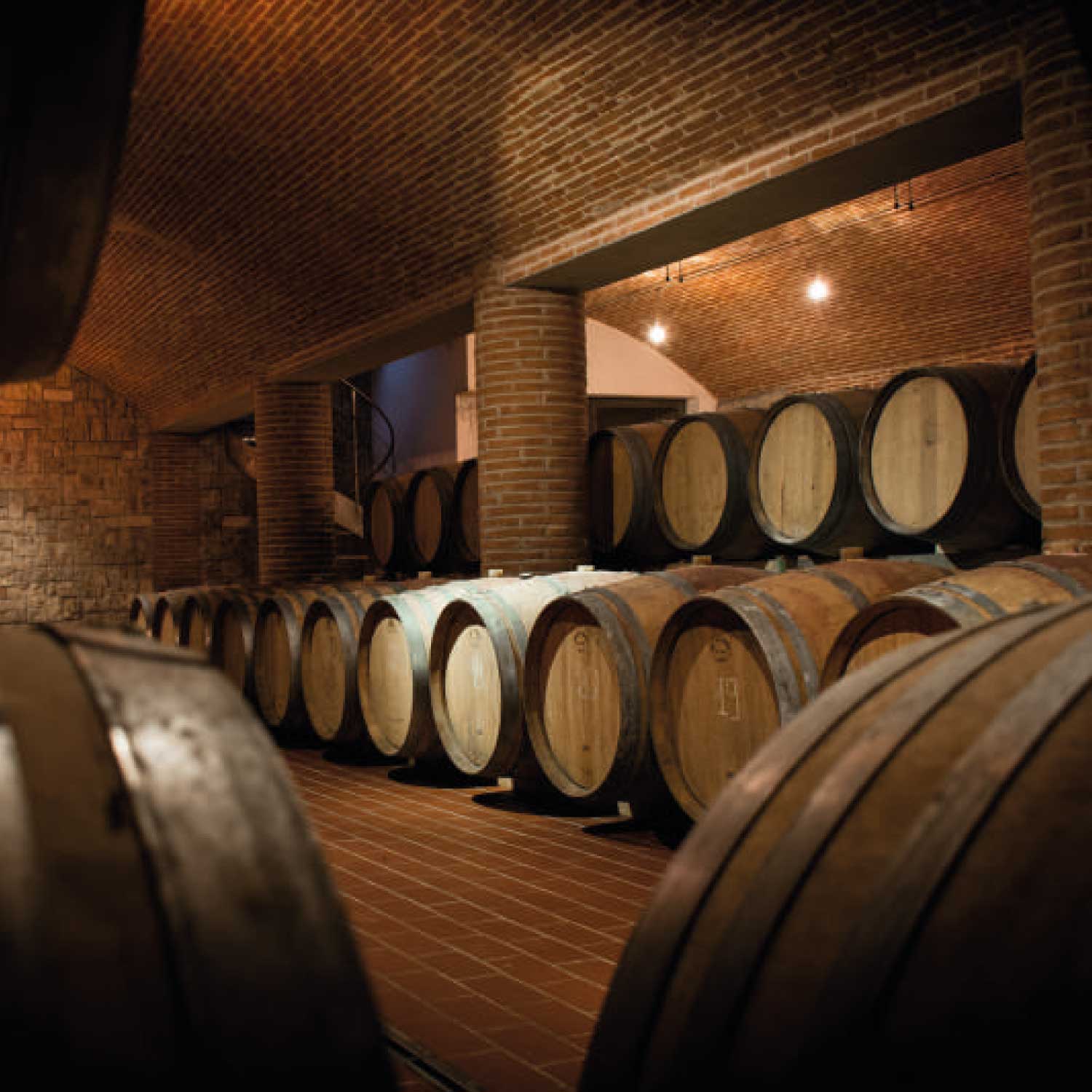
Wine as a representation of Sannio and Taburno, labels as a story of our origins, hospitality as an immersive experience in the territory. In the coming years, the vineyards and the cellar will be joined by a structure dedicated to hospitality in the area, where in addition to guest rooms, there will be space for a historical archive of the company’s wines and a tasting terrace overlooking the rows. The estate takes shape starting from the foundations of an ancient ruin, whose stones were recovered and reused during the restoration, giving back connection and continuity with the landscape.
Agriculture at the service of the territory
The figure of the winemaker is the perfect synthesis of the profound symbiotic relationship between man and territory. The responsibility of safeguarding the landscape that hosts and surrounds us is reflected in the meticulous care with which we work our vineyards, and therefore in the richness of the fruits that this land gives us back. The continuous and daily observation and understanding of our territory is at the basis of all our agricultural choices: from the management of the vineyard to the vine that can express itself at its best. Practicing agriculture that serves the territory allows us to bring to the bottle the testimony of the work we do in the vineyard: this is the basis of the identity of our wines.
Fluusa and Pontius, Falanghina and Aglianico, Sannio and Taburno
The story of our wines from the most representative denominations of the area, the DOC Falanghina del Sannio and the DOCG Aglianico del Taburno, is entrusted respectively to Fluusa, the Samnite Goddess of flowering and buds, and Pontius, the valiant Samnite leader of the battle of the Caudine Forks. From a temple dedicated to the Goddess, the remains of which are found in Cerreto Sannita, and a vase from the 4th century BC preserved in the National Archaeological Museum of Sannio Caudino, where a Samnite warrior with helmet and armour is depicted, the illustrations that “take shape” from our land were born. We were inspired by myths and history of this place to give a face to our wines, to our interpretation and expression of the territory.

